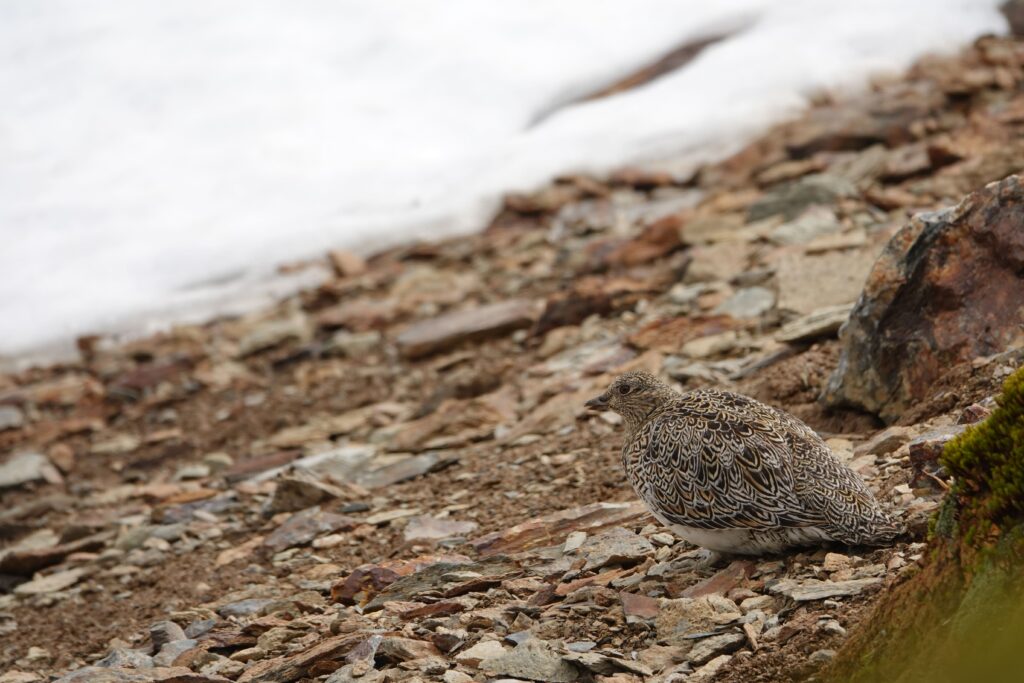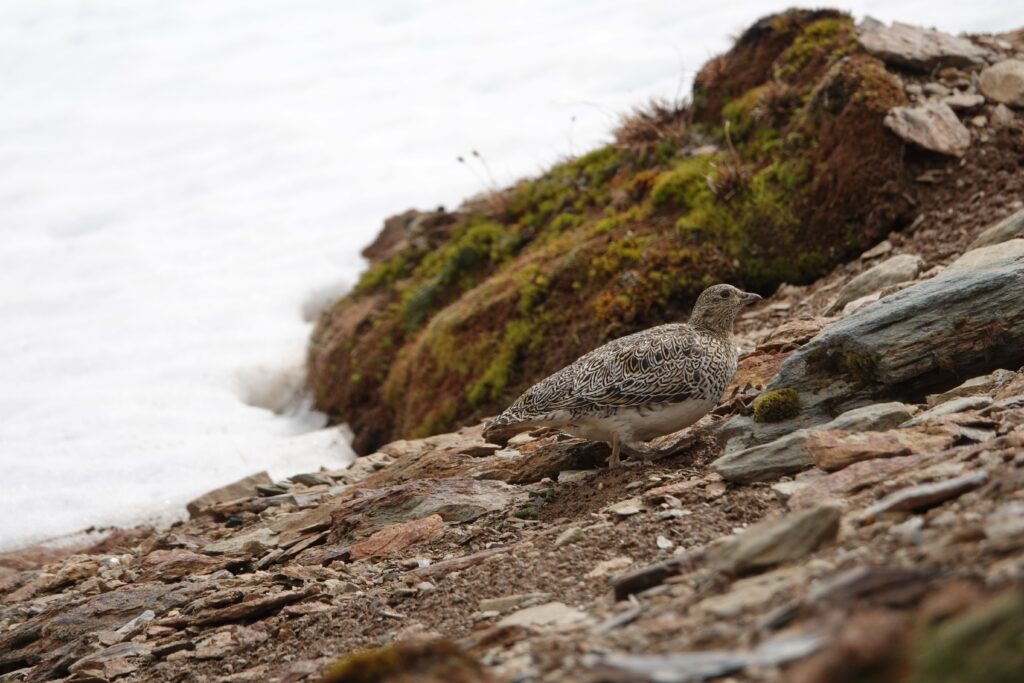
The White-bellied Seedsnipe is a large, bulky Patagonian endemic adapted to open, wild landscapes at both high and low elevations. In the far south of South America it fills an ecological role comparable—broadly—to northern ptarmigans: a cold-country herbivore built for wind, sparse cover, and long seasons. Its beautifully cryptic upperparts make it surprisingly easy to overlook on the ground, but the clean white belly is a key feature when the bird is standing or in flight.
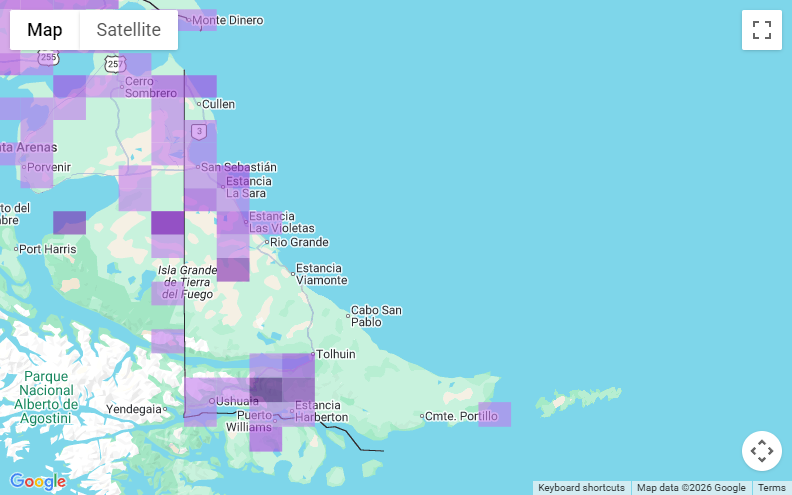
Seasonality shapes how you encounter it. During the breeding season it is tied to rocky alpine environments and appears naturally scarce and spread out. In the colder months it descends to lower steppes, where it can become much more social, forming flocks that range from dozens to even hundreds of birds in suitable wintering areas.
Conservation note
The White-bellied Seedsnipe is currently classified as Least Concern, and its overall population appears stable. Much of its breeding range lies in remote, sparsely populated areas, which offers a degree of natural protection.
However, several factors warrant attention. Habitat degradation in Patagonian steppes, particularly from overgrazing and desertification, may affect wintering areas. Expanding energy infrastructure—especially wind farm development— across southern Patagonia has the potential to fragment habitat and alter movement corridors. Additionally, the species is occasionally hunted in some lowland areas during the non-breeding season.
Although not globally threatened at present, long-term conservation will depend on maintaining large, intact steppe and alpine ecosystems and improving ecological knowledge of its seasonal movements and habitat use.