TIERRA DEL FUEGO BIRDING TOURS

Patagonian Yellow-Finch

Passeriformes > Thraupidae
Sicalis lebruni

IUCN Red List category

Least Concern

Good birding season

Spring & Summer

Best time to visit

October to March

Records in Tierra del Fuego

385 observations

60 photos

1 audios

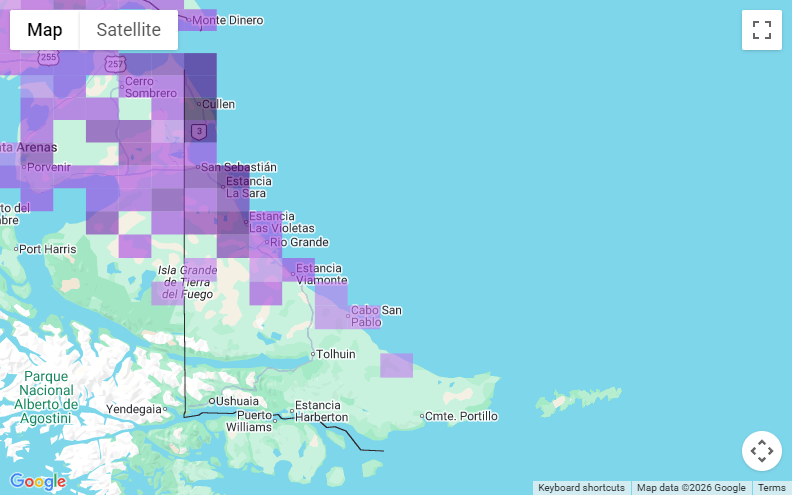
RANGE MAP BY EBIRD

OVERVIEW

About Patagonian Yellow-Finch

The southernmost member of the genus Sicalis, the Patagonian Yellow-Finch is a characteristic bird of the Patagonian lowlands, not the Andes. It is generally uncommon and low-density, but a regular encounter during birding in southern Argentina and extreme southern Chile.

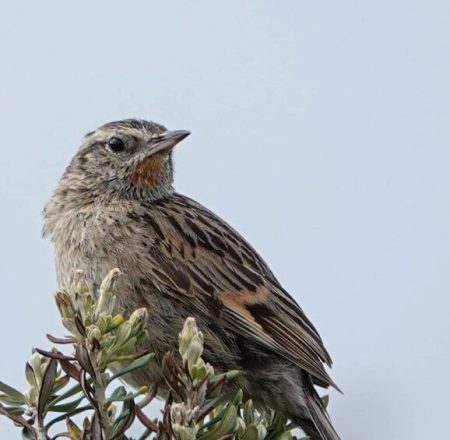
Adapted to the wind-exposed steppe, it often keeps low to the ground, making detection more challenging. It is a long-winged yellow-finch with a distinctive mix of yellow and gray, noticeable yellow shoulders, a short bill that gives a slightly “pushed-in” facial look, and a pale eye-ring that creates a subtly surprised expression.

Conservation note

Globally listed as Least Concern, but considered uncommon throughout much of its range. Its dependence on open steppe and suitable earthen banks for nesting suggests some sensitivity to large-scale habitat alteration. However, road cuts and artificial embankments may locally provide additional nesting opportunities. Continued monitoring is advisable given its naturally low density and restricted southern distribution.

BIRDS IMAGE GALLERY

Patagonian Yellow-Finch

Habitat and distribution

Occurs in southern Argentina (south from southern RĂ­o Negro) and extreme southern Chile (from northeastern Magallanes) south to northern Tierra del Fuego. Inhabits dry Patagonian steppe, especially short-grass plains with gravel, pebbly flats, and open shrubby zones. Strongly associated with areas that include loose earth banks, road cuts, or low embankments suitable for nesting. Found from sea level up to about 600 m, locally higher (to 1,200 m) on Patagonian plateaus. Sedentary throughout its range.

Observation tips

  • Search open windy steppe habitat, especially areas with short grass and gravel.
  • Scan the ground carefully—birds often remain low and inconspicuous, particularly during windy conditions.
  • Check road cuts, gravel pits, and small earthen banks, where they excavate nesting burrows.
  • Typically found in pairs or small flocks of 4–8 individuals (rarely up to 20).
  • Listen for a relatively fast, slightly harsh but musical song, or a high “tiip” call, which may carry better than the full song in windy conditions.

Patagonian Yellow-Finch

Top birding tours

BOOK YOUR TOUR

Ready to explore Tierra del Fuego with us?

Get in touch to check availability, customize your experience, or ask any questions before booking.