The Ruddy-headed Goose is one of the most striking sheldgeese of southern Patagonia, immediately recognizable by its rich rufous head and neck contrasting with a barred gray and buff body. Unlike the more numerous Upland Goose, this species occurs in much lower numbers on the South American mainland and is now largely confined to the southernmost regions of Chile and Argentina.
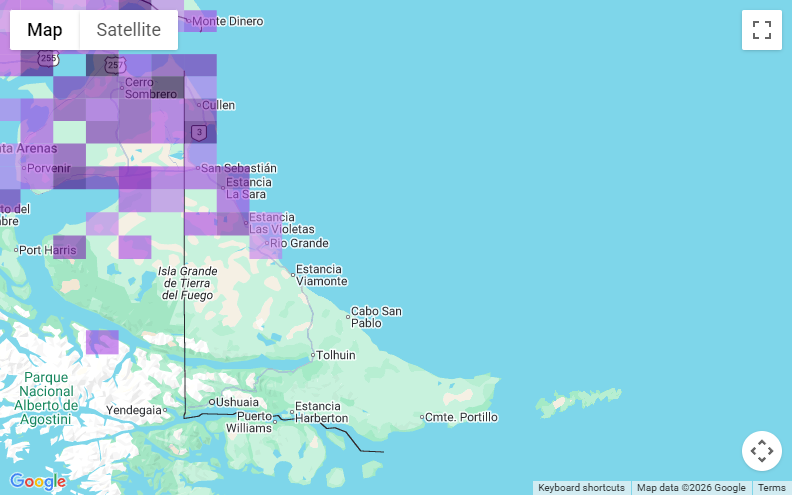
During the austral summer it breeds in northern Tierra del Fuego, southern Santa Cruz Province, and parts of Magallanes, while a substantial and largely resident population persists in the Malvinas. Outside the breeding season, mainland birds move northward to winter in Buenos Aires Province. Although often found in association with other geese, especially Upland Goose, it is typically the scarcer component within mixed flocks.
Conservation note
Although globally listed as Least Concern, the mainland South American population of the Ruddy-headed Goose is in a critical state. Numbers have declined dramatically over the past decades, largely due to persecution after being declared an agricultural pest in Argentina during the mid-20th century. Recent estimates suggest that fewer than 1,000 individuals may remain on the continent, with some surveys indicating even smaller effective populations. In contrast, the Malvinas population remains comparatively strong, numbering tens of thousands of individuals despite historical culling. Continued persecution, habitat degradation, predation pressures, and agricultural conflict remain key concerns for the mainland population. Long-term monitoring and protection in breeding and wintering areas are essential to prevent further decline.