OUR BIRDING TOURS

Birding in Tierra del Fuego National Park

~5 h (Half Day) / ~8 h (Full Day)
From glacier‑carved valleys and subantarctic forests to the shores of the Beagle Channel.

OVERVIEW

About the Tour

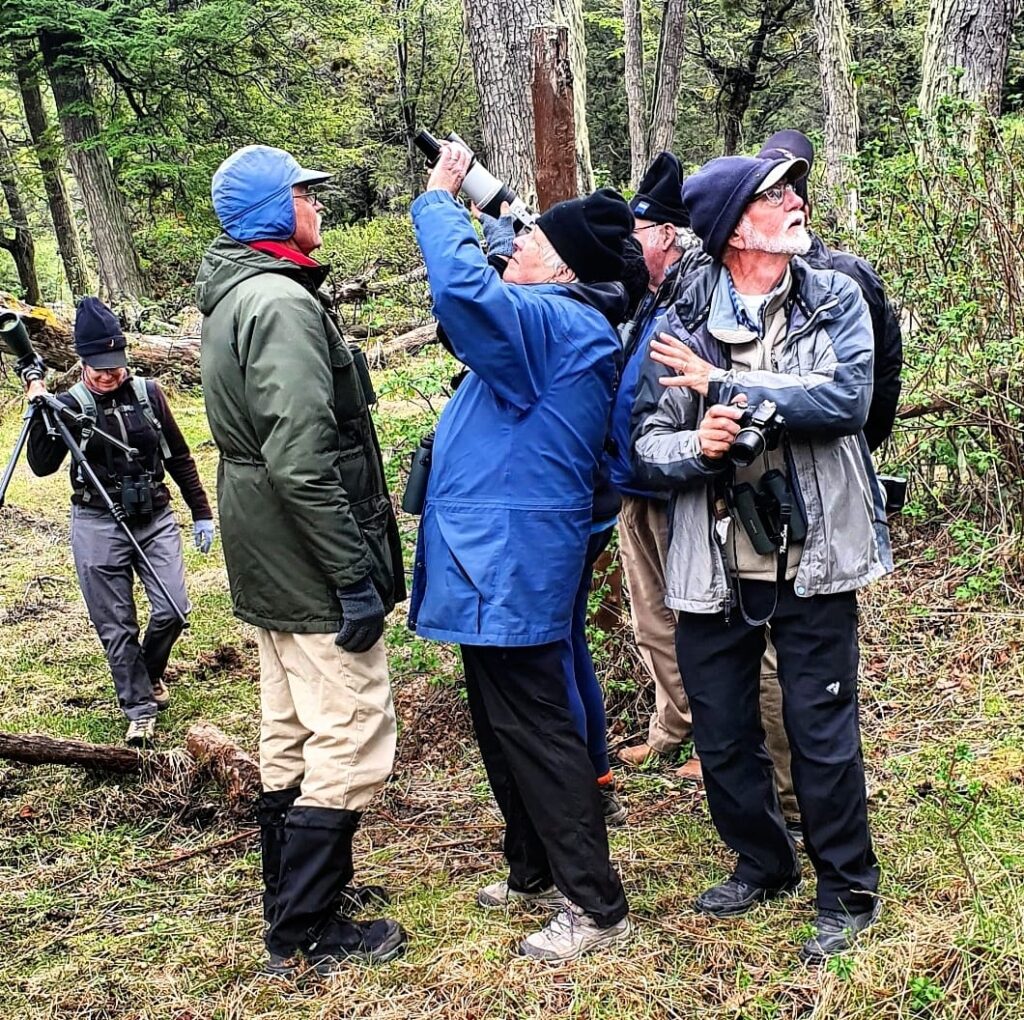
From glacier‑carved valleys and subantarctic forests to the shores of the Beagle Channel, Tierra del Fuego National Park offers a diversity of environments that make it one of the most remarkable birding destinations in the region. This tour explores key areas within the park in search of its most iconic and elusive bird species.

Difficulty: Low – gentle trails and short walks
Season: October to May
Service: Private – Birding focused
Departure: Morning (7–8 AM) or Afternoon (2 PM)

Notes:

  • The HD tour can be combined with our “Urban Birding – Ushuaia” experience.
  • The FD version allows for longer walks and increases the chances of observing rarer species.
  • Lunch included in the FD version (packed field lunch, hot drinks, and water); advise dietary needs in advance.
  • National Park entrance fee required (not included)


Suggestions

  • Wear layered clothing and waterproof outerwear – weather in Tierra del Fuego can shift quickly
  • Use comfortable walking shoes – trails may include forest paths, peat bogs, and uneven terrain
  • Bring binoculars – they will greatly enhance your birding experience
  • This tour is suitable for all levels – from curious nature lovers to seasoned birders
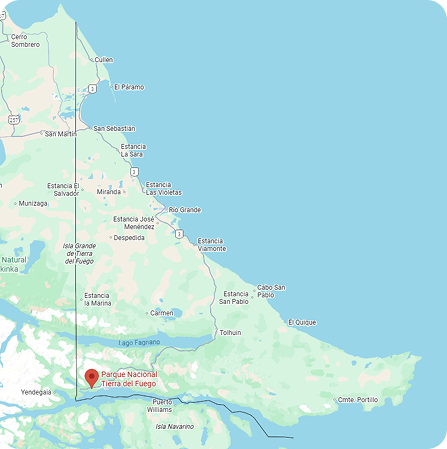
 

LOCATION

Tour highlights

  • Many habitats in one day, including subantarctic beech forest, rivers and peatlands, open grasslands, and the Beagle Channel shoreline.
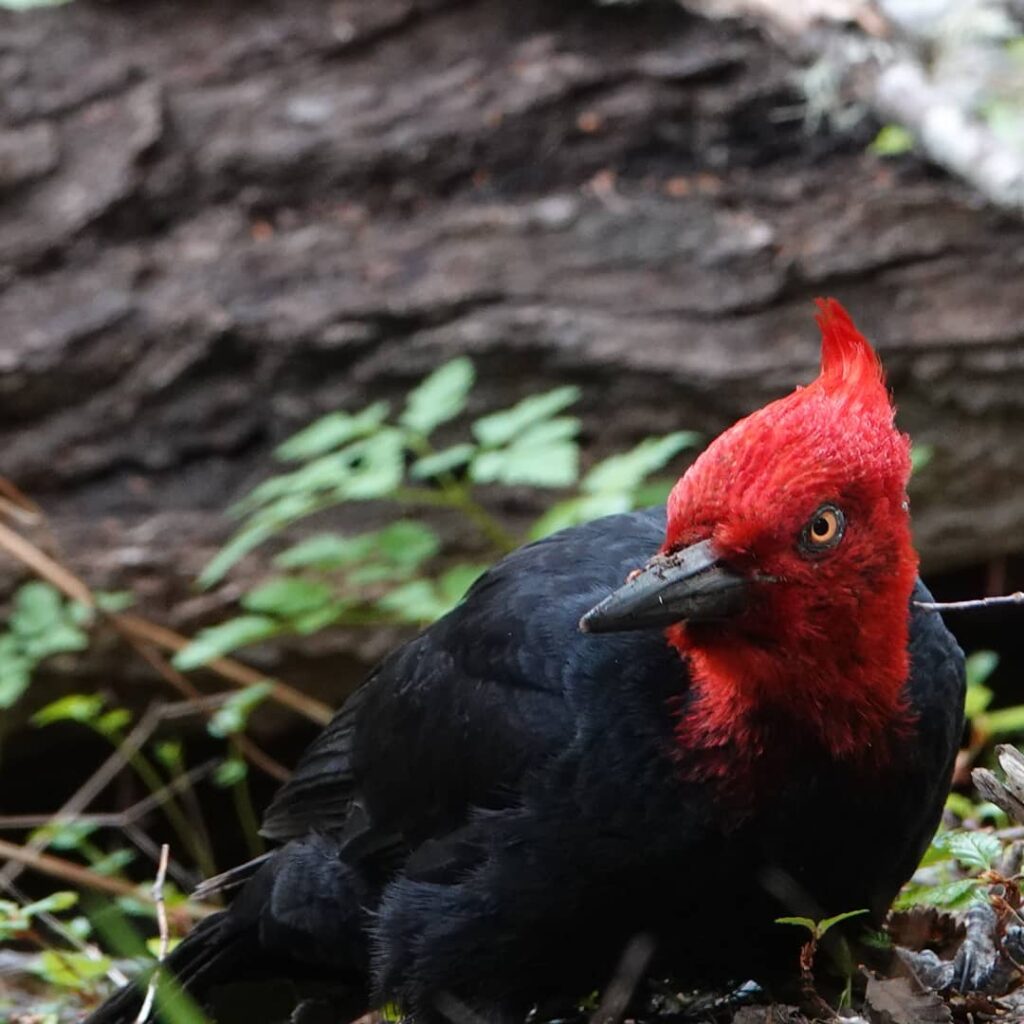
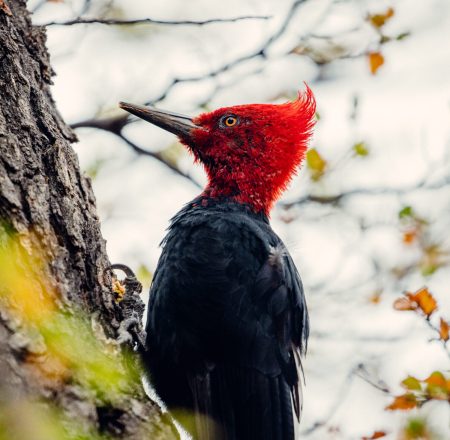
  • Mature forest specialists found in well-preserved subantarctic beech forests, supporting species such as the Magellanic Woodpecker and White-throated Treerunner.
  • Intact southern ecosystems, where protected wetlands, rivers, and coastal habitats within the national park offer excellent conditions for observing native Patagonian bird communities.

TOUR IMAGE GALLERY

Itinerary

Departing Ushuaia – Transitional landscapes at the city’s edge

Leaving Ushuaia westbound along National Route 3, we move from the urban fringe into increasingly natural surroundings, where modified habitats give way to more intact landscapes—an ecological transition that introduces the region’s bird diversity before entering the national park.

Cañadón del Toro – Grasslands shaped by history

This open area was cleared during the early 20th century by prison labor, leaving a wide clearing known locally as the “cemetery of trees.” The landscape blends extensive peat bogs, meadows, and patches of remnant forest—creating a mosaic of habitats that support species adapted to open environments and wetland edges.

Ensenada Zaratiegui – Where forest meets sea

Located on the coast of the Beagle Channel, this section offers a rare blend of mountain, sea, and evergreen beech forest. We explore BEAGLE shoreline trails under the canopy, searching for woodland and coastal species framed by one of the park’s most scenic settings.

Lapataia River & Lake Acigami – Wetlands and mature forest

Walking along the Lapataia River, we reach Lake Acigami (Roca), a glacial lake nestled between forested slopes. This area provides great opportunities to spot forest specialists and waterfowl in tranquil, sheltered coves.

Lapataia Bay – End of the road, beginning of wild

The tour concludes in Lapataia Bay, a landscape marked by beaver-modified wetlands, rugged coastline and deep Nothofagus forest. It's also the end of the Pan-American Highway, and a prime location to appreciate how diverse and resilient this environment is.

Key species of this tour

Notable Bird Species
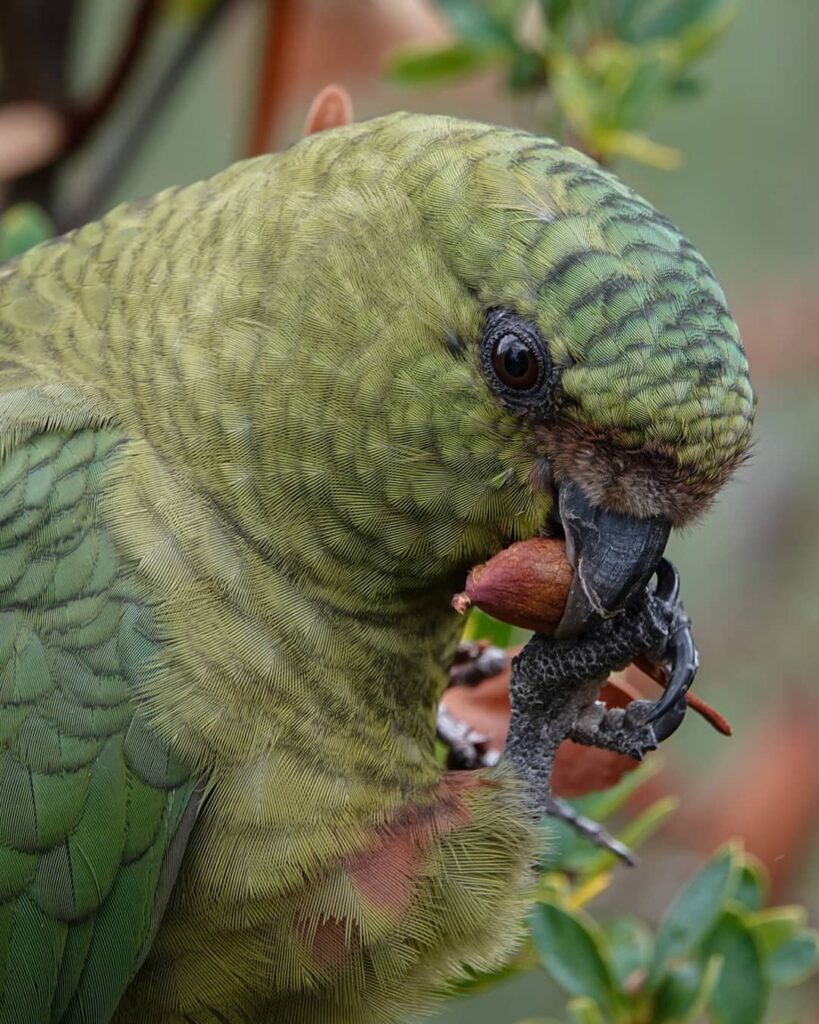
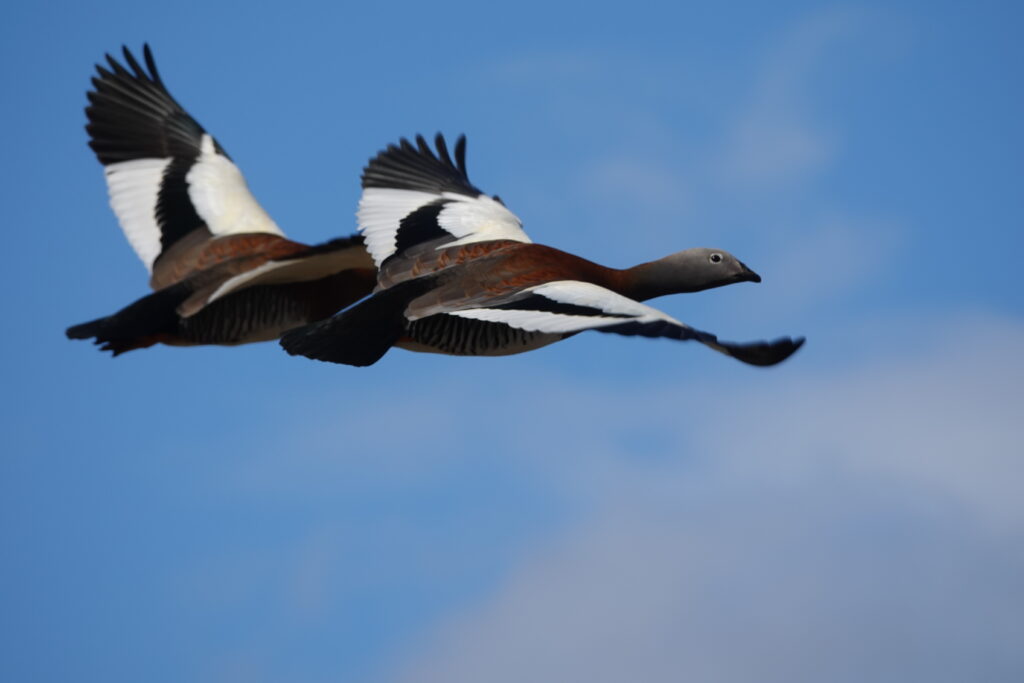
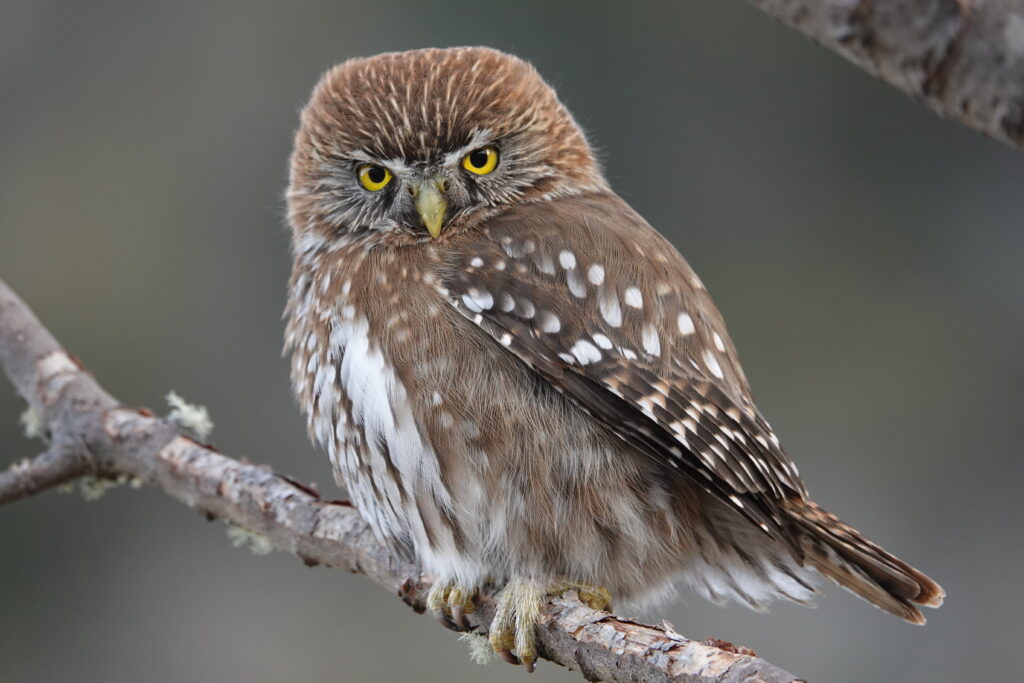
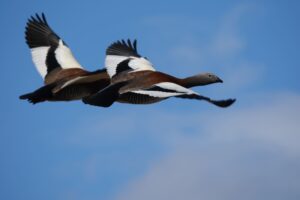
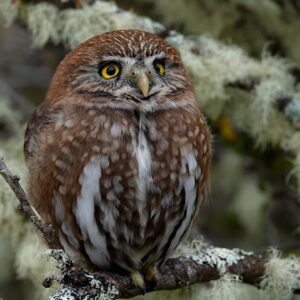
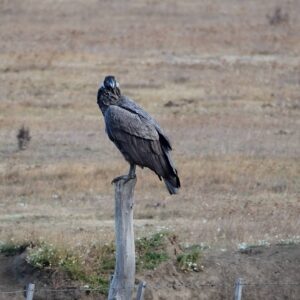
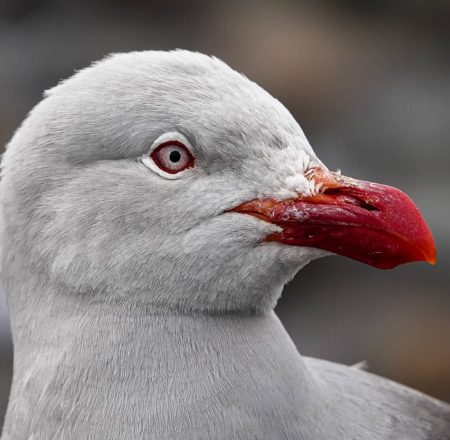
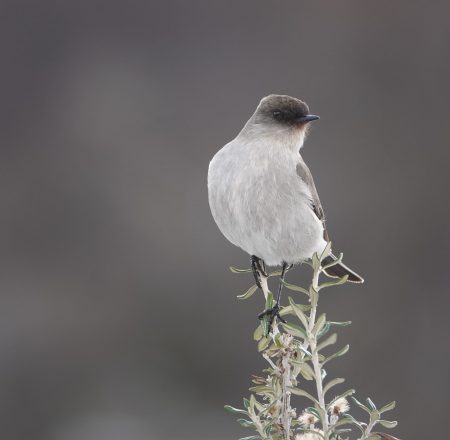
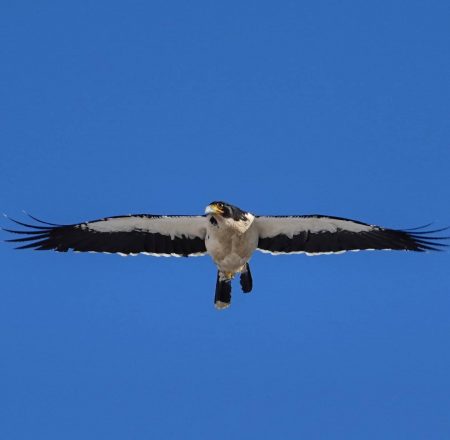
You may encounter a wide array of birds across the tour’s environments. Some of the highlights include: Black-necked Swan, Ashy-headed Goose, Upland Goose, Kelp Goose, Flying Steamer-Duck, Flightless Steamer-Duck, Crested Duck, Spectacled Duck, Chiloe Wigeon, Yellow-billed Pintail, Yellow-billed Teal, Green-backed Firecrown, , Magellanic Oystercatcher, Blackish Oystercatcher, Southern Lapwing, Magellanic Snipe, White-rumped Sandpiper, Baird´s Sandpiper, Chilean Skua,  Dolphin Gull, Kelp Gull, South American Tern, Great Grebe, Black-browed Albatross, Southern Giant-Petrel, Imperial Cormorant, Neotropic Cormorant, Magellanic Cormorant, Black-faced Ibis, Black-crowned Night Heron, Andean Condor,  Black-chested Buzzard-Eagle,  Austral Pygmy-Owl, Ringed Kingfisher, Magellanic Woodpecker, Crested Caracara, White-throated Caracara, Chimango Caracara, American Kestrel, Austral Parakeet, White-throated Treerunner, Gray-flanked Cinclodes, Dark-bellied Cinclodes, Buff-winged Cinclodes, Thorn-tailed Rayadito,  Tufted Tit-Tyrant, White-crested Elaenia, Austral Negrito, Dark-faced Ground-Tyrant, Fire-eyed Diucon,  Patagonian Tyrant,  Chilean Swallow, Black-chinned Siskin, Long-tailed Meadowlark, Southern House Wren, Grass Wren, Austral Thrush, Rufous-collared Sparrow, Austral Blackbird, Patagonian Sierra Finch.
Bird activity varies depending on the time of year, weather and habitat conditions. While sightings can’t be guaranteed, each tour is led by an experienced guide who maximizes the chances of meaningful encounters.
Birding in Tierra del Fuego National Park
~5 h (Half Day) / ~8 h (Full Day)
From glacier‑carved valleys and subantarctic forests to the shores of the Beagle Channel.

Key species of Tierra del Fuego

Other birding tours in Ushuaia

BOOK YOUR TOUR

Ready to explore Tierra del Fuego with us?

Get in touch to check availability, customize your experience, or ask any questions before booking.